What Is Pure Leaf Kratom? Effects, Shelf Life & Value
You keep seeing “pure leaf” on kratom labels and wondering whether it means anything or whether it is just another word vendors stick on a bag. Fair question. The short answer is that it does mean something specific, and understanding it will save you money.
There is one wrinkle worth clearing up first, because it trips people up constantly.
What Pure Leaf Actually Means
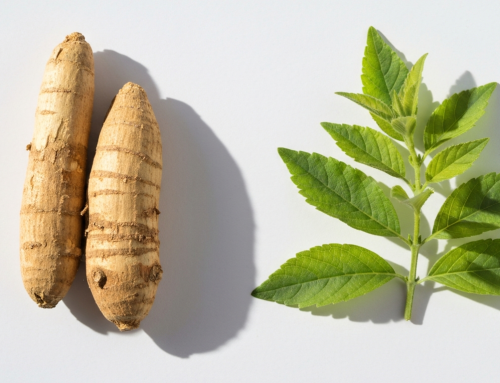
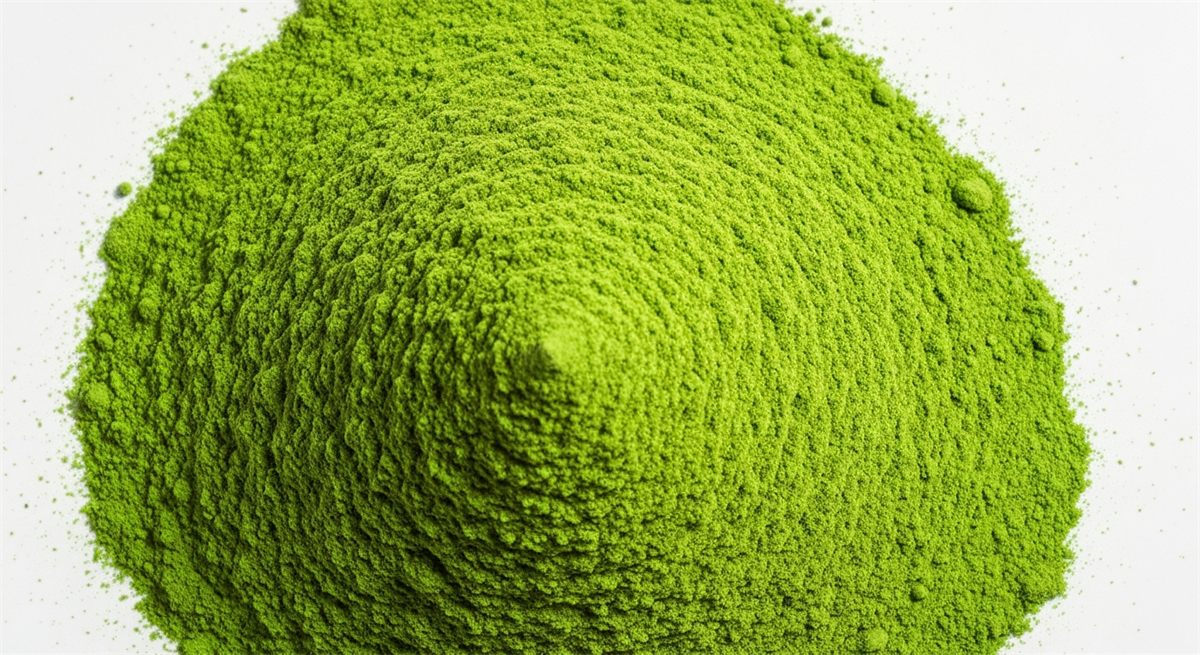
Pure leaf kratom is Mitragyna Speciosa leaf that has been dried and ground and left alone. No extract added back in, no alkaloids concentrated, no blending with other botanicals, no enhancement. What comes out of the bag is what came off the tree, minus the water and the stems.
That sounds obvious until you look at what else is on the market. A large share of kratom sold today is not plain leaf:
- Extracts boil the alkaloids down into a concentrate, often labelled with a ratio like 10x or 50x.
- Enhanced leaf is plain powder with extract sprayed or mixed back into it, so the alkaloid content is artificially raised.
- Blends mix several strains together, sometimes with other herbs.
- 7-OH products isolate or boost 7-hydroxymitragynine specifically, which is a very different product from leaf.
Pure leaf is none of those. That’s the whole distinction, and it is the reason the term exists at all.
(Affiliate link — we may earn a commission.)
Pure Leaf vs Extract: The Honest Comparison
Neither is universally better. They solve different problems, and the trade-offs are real in both directions.
| Pure Leaf | Extract / Enhanced | |
|---|---|---|
| Strength per gram | Baseline | Much higher |
| Typical dose | 2–4g | 0.2–1g |
| Cost per dose | Low | 3–5x higher |
| Tolerance build | Slow | Fast |
| Effect curve | Gradual, rounded | Sharp peak, quicker drop |
| Dose control | Forgiving | Unforgiving |
| Best for | Regular use, beginners | Occasional use, travel |
The tolerance difference is the one that matters most over time. Extracts deliver a much larger alkaloid load in one go, and your tolerance responds to that load. People who use extracts daily typically find that plain leaf stops doing anything for them at all, which is an expensive corner to paint yourself into.
That said, we are not anti-extract. For someone who uses kratom twice a month, an extract shot is convenient and the tolerance issue never materialises. Our guide to concentrated kratom extracts and shots covers that side properly.
What Pure Leaf Feels Like
Plain leaf comes on gradually. Onset is usually 20 to 40 minutes, the peak is rounded rather than sharp, and the whole thing runs four to six hours depending on strain. Compared to an extract it feels softer, and people coming from extracts often mistake that softness for weakness on the first try.
It isn’t weakness. It’s the difference between a curve and a spike, and the curve is what most regular users end up preferring.
Give it a fortnight before judging. Anyone switching down from extracts is carrying a tolerance built on much larger alkaloid loads, and plain leaf genuinely will feel thin against that baseline at first. Sensitivity comes back, usually within one to two weeks, and the same 3g that did nothing on day one starts landing properly. Cutting the transition short and going back to extracts is the most common reason people conclude plain leaf “doesn’t work for them” when the real issue was timing.
The other thing worth setting expectations on is consistency. Because nothing has been standardised, two bags of the same strain from different harvests can differ noticeably in strength. Extracts are more uniform by design. Plain leaf trades that uniformity for everything else on the list, and most people find the trade worth making once they get used to re-calibrating slightly with each new bag.
Effects still depend entirely on which strain of plain leaf you buy. Reds relax, whites energise, greens sit between the two. Our kratom strains chart compares every option side by side if you are choosing.
| Dose Level | Grams | Teaspoons | Expected Effects |
|---|---|---|---|
| Mild | 1–2g | 0.5–0.9 tsp | Gentle mood lift, mild energy, alert |
| Moderate | 2–4g | 1–2 tsp | Full effects, comfort begins, noticeable mood change |
| High | 4–8g | 2–4 tsp | Strong sedation or strong analgesia, for experienced users |
| Very High ⚠ | 8g+ | 4+ tsp | High risk of nausea, dizziness, “the wobbles” — not recommended |
Start low, go slow. Kratom’s effects vary by body weight, tolerance, and whether you’ve eaten recently. New to a strain? Start at 1–2g and wait 45 minutes before deciding if you need more. The “sweet spot” usually takes 2-3 tries to find, and that’s completely normal.
Shelf Life: How Long Pure Leaf Stays Good
This is where plain leaf has a genuine advantage. Because nothing has been added, there is less to go off.
| Storage | Realistic shelf life | Notes |
|---|---|---|
| Original bag, opened, cupboard | 3–6 months | Air exposure is the main problem |
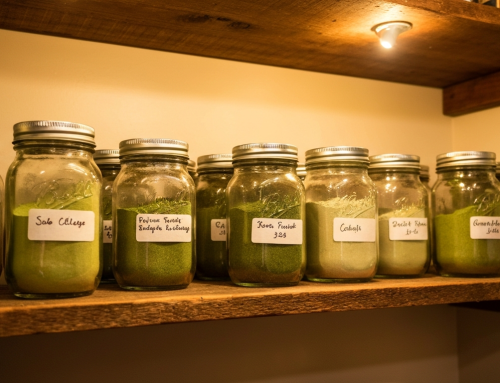
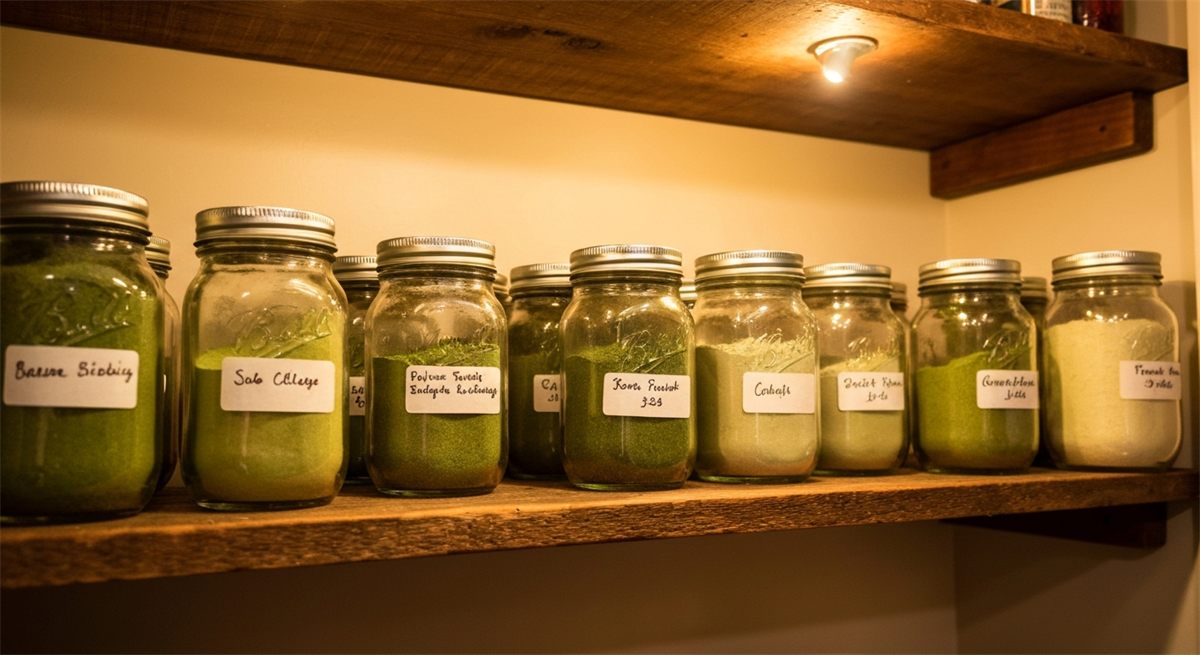
| Airtight jar, dark cupboard | About 12 months | The realistic target for most people |
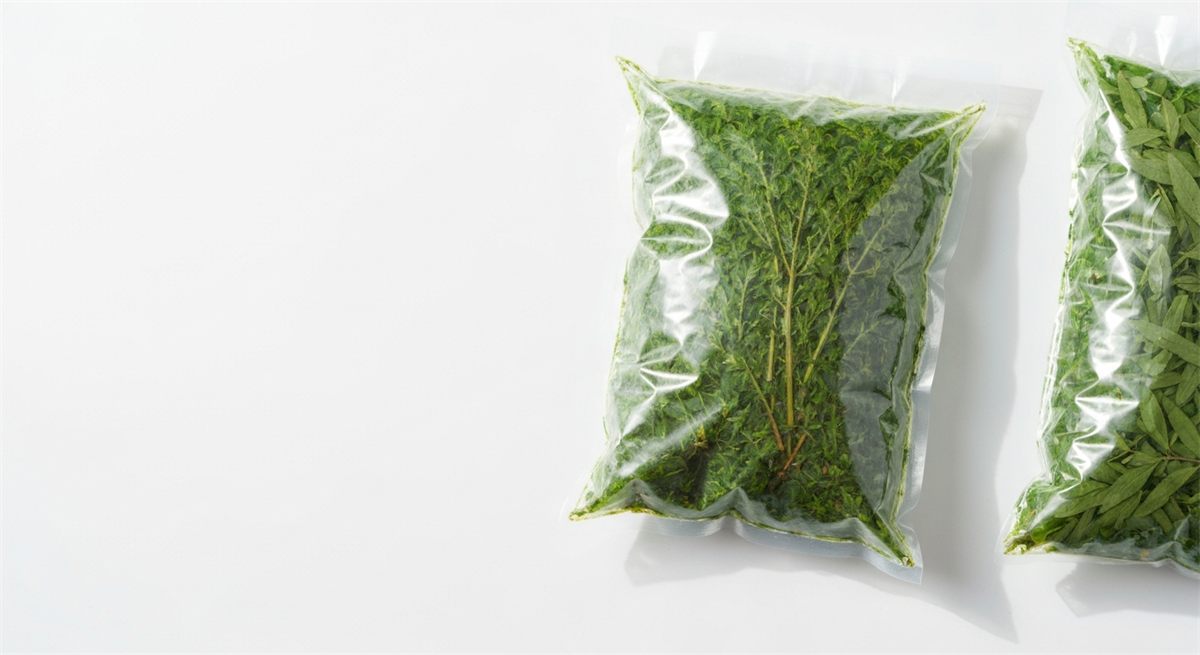
| Vacuum sealed, cool and dark | 18–24 months | Best option for buying in bulk |
| Freezer, sealed | 2+ years | Let it reach room temp before opening |
| Anywhere warm, humid or sunlit | Weeks | Light and moisture degrade alkaloids fastest |
Kratom does not spoil the way food does. It loses potency rather than becoming unsafe, and the signs are visual and olfactory: the bright green fades toward brown, the grassy smell flattens out, and the same dose starts doing less. If it has gone genuinely damp or smells musty, throw it out, because that is mould territory. We covered the full picture in does kratom go bad.
Powder, Crushed Leaf or Capsules?
Plain leaf comes in three formats and they are genuinely different to live with, even though the contents are identical.
| Format | Best for | Downside |
|---|---|---|
| Powder | Cheapest per gram, fastest onset, precise dosing | The taste, and it gets everywhere |
| Crushed leaf | Brewing tea, strains out cleanly | Slightly less efficient, harder to dose by eye |
| Capsules | No taste, portable, discreet | Costs more, slower onset, a lot of capsules per dose |
The capsule maths surprises people. Most hold 0.5g, so a moderate 3g dose is six capsules and a 4g dose is eight. If you use kratom regularly that adds up quickly in both cost and swallowing. Capsules make most sense for travel or for people who genuinely cannot get past the taste.
Crushed leaf is the underrated option if you brew. Powder turns tea cloudy and leaves sediment you end up drinking anyway, while crushed leaf behaves like any loose leaf tea. Our strong kratom tea recipes cover the method properly.

Mistakes People Make With Plain Leaf
Most disappointment with plain leaf traces back to one of these.
- Judging it against an extract. If your reference point is a shot, plain leaf will feel underwhelming for the first week. That is a recalibration issue, not a quality issue.
- Redosing too early. Onset can take 40 minutes on a full stomach. Adding more at the 20 minute mark is how people end up nauseous rather than comfortable.
- Buying a kilo of one strain. Tempting on price, but tolerance to a single strain builds fast, and you will be bored of it long before the bag runs out. Two or three smaller bags beat one large one.
- Storing it in the kitchen. Heat, steam and light all sit in kitchens. A bedroom cupboard is genuinely better.
- Eyeballing the dose. Grind density varies enough between batches that a “teaspoon” can swing by half a gram. A cheap scale removes the guesswork.
How to Tell If You’re Actually Getting Plain Leaf
The label is not always honest, and there is no certification for the phrase “pure leaf.” A few practical checks:
- Check the suggested dose. If a product tells you to take 0.5g, it is not plain leaf. Plain leaf doses sit at 2g and up.
- Look for a ratio. Anything marked 10x, 20x, 50x or “full spectrum” is a concentrate.
- Ask for the lab report. A reputable vendor will publish alkaloid percentages per batch. Plain leaf typically shows mitragynine around 1 to 2 percent. Numbers far above that mean enhancement.
- Be suspicious of unusual colour. Very dark or grey-tinted powder sold as plain leaf sometimes indicates added extract.
- Price sanity-check. Plain leaf that costs four times the going rate is either mislabelled or overpriced.
Vendor choice does most of the work here. Suppliers who participate in the American Kratom Association GMP programme are audited on labelling accuracy, which is exactly the risk you are trying to manage. We explain how that certification works in our piece on earning AKA GMP qualified status, and our current best kratom vendors list flags who holds it.
What Pure Leaf Should Cost
Price is one of the more reliable authenticity signals, because plain leaf has a fairly narrow production cost and vendors who charge far outside that range are usually selling you something else.
| Quantity | Fair range | Roughly how many 3g doses |
|---|---|---|
| 1 oz (28g) | $7 – $15 | 9 |
| 4 oz (113g) | $25 – $45 | 37 |
| 8 oz (227g) | $45 – $75 | 75 |
| 1 kg | $100 – $180 | 333 |
Two directions to be wary of. Anything far above that range is either mislabelled enhanced leaf or simply overpriced, and neither is a good outcome. Anything far below it raises questions about age and sourcing, because genuinely fresh leaf costs what it costs. Deeply discounted kilos are often older stock being cleared, which brings us back to the potency problem.
Bulk buying only saves money if you can store it properly. A kilo at $120 looks like a bargain against four separate ounces, but if half of it has faded by month eight the real cost per usable dose is a lot higher than the label suggested. Vacuum sealing in portions solves this, and that is the main argument for buying big.
Is Pure Leaf Worth It?
For most people, yes, and the case is mainly economic. Plain leaf at roughly $8 an ounce gives you around fourteen 2-gram doses. An extract shot delivering a comparable experience often costs $10 to $15 on its own. Over a month the gap is substantial.
The exceptions are genuine though. Extracts make sense if you travel and cannot carry powder, if you need something fast-acting occasionally, or if the taste of plain leaf is a dealbreaker for you. Nobody enjoys the taste. That is not a criticism of plain leaf so much as an honest description of it, and it is why brewing it as tea is so popular.
Our Pick for Plain Leaf Powder
Kats Botanicals sells unenhanced leaf at $7.99/oz with per-batch lab results published, which is the combination that actually matters when “pure leaf” has no legal definition behind it.
FTC Disclosure: We may earn a commission from purchases made through this link, at no extra cost to you.
Pure Leaf Kratom FAQ
What is pure leaf kratom?
Plain dried and ground Mitragyna Speciosa leaf with nothing added and nothing concentrated. No extract, no enhancement, no blending. It is the simplest form kratom is sold in, and the standard against which extracts are measured.
Is pure leaf kratom stronger than extract?
No, extracts are considerably stronger per gram. Plain leaf doses sit around 2 to 4 grams where an extract might be effective at under one. What plain leaf offers instead is slower tolerance build and a much lower cost per dose.
How long does pure leaf kratom last in storage?
About a year in an airtight jar kept somewhere cool and dark, and 18 to 24 months if vacuum sealed. Left in an opened bag it starts losing noticeable potency after three to six months.
How can I tell if my kratom is really unenhanced?
Check the suggested serving size first. Anything recommending under a gram is concentrated. Then look for a batch lab report showing mitragynine around 1 to 2 percent, which is the normal range for plain leaf.
Is Pure Leaf Kratom a brand or a product type?
Both, which is the confusing part. It describes unenhanced leaf as a category, and it is also the trading name of an online vendor. If you are researching the company specifically, read independent reviews and BBB feedback before ordering.
Does pure leaf kratom build tolerance?
Yes, but far more slowly than extracts do. Rotating strains and keeping one or two days off each week slows it further. Daily use of the same strain is what builds tolerance fastest regardless of form.
What is crushed leaf kratom?
The same plain leaf, just coarsely broken rather than milled to powder. It is preferred for brewing tea because it strains out easily, though it is slightly less efficient than powder if you are taking it directly.
Which strain of pure leaf should a beginner buy?
A green vein, at around 1.5 to 2 grams. Greens are the most forgiving because they sit between the energising whites and the sedating reds, so a slightly off dose is far less noticeable.
Kratom (Mitragyna Speciosa) is a botanical supplement. The statements on this page have not been evaluated by the Food and Drug Administration. This content is for educational purposes only and is not intended to diagnose, treat, cure, or prevent any disease or medical condition.
Kratom is federally legal in the United States but is banned in certain states and localities. Always check your local laws before purchasing or consuming kratom. If you are pregnant, nursing, taking prescription medications, or have a medical condition, consult a licensed healthcare provider before use.
KratomPlants.com does not sell kratom products. Some links on this page are affiliate links — we may earn a commission if you make a purchase, at no additional cost to you.