Does Kratom Go Bad? How Long Kratom Actually Lasts

You found an old bag of kratom at the back of your cabinet and you are wondering: is this still good? Or is it a powder pile you should toss? This is one of those practical kratom questions that nobody ever tells you the answer to upfront.
Good news. Kratom does not really “go bad” in the way meat or produce does. It will not make you sick from age alone. What it does do is lose its alkaloid potency, which means the strain you used to love may start feeling weaker and weaker the longer it sits around unprotected. Here is what is actually happening, how long kratom is genuinely good for, and the exact storage setup that keeps it at full strength.
Does Kratom Expire?
Kratom does not have a hard expiry date like a prescription medication. The botanical compounds in the leaf, primarily mitragynine and 7-hydroxymitragynine, degrade gradually when exposed to oxygen, light, and moisture. This is a slow process. It is not like a piece of fruit that rots in days.
Most kratom vendors do not print expiration dates on their bags. That is not because there is no shelf life. It is because the degradation rate depends almost entirely on how you store it. Two people can buy the same kratom on the same day and have very different experiences six months later depending on their storage habits.
(Affiliate link, we may earn a commission.)
How Long Does Kratom Stay Potent?
Here is a realistic shelf-life guide based on storage conditions:
- Opened bag left out on a shelf: 1-3 months before noticeable potency loss
- Resealed original bag, room temperature, no direct light: 4-6 months at good potency
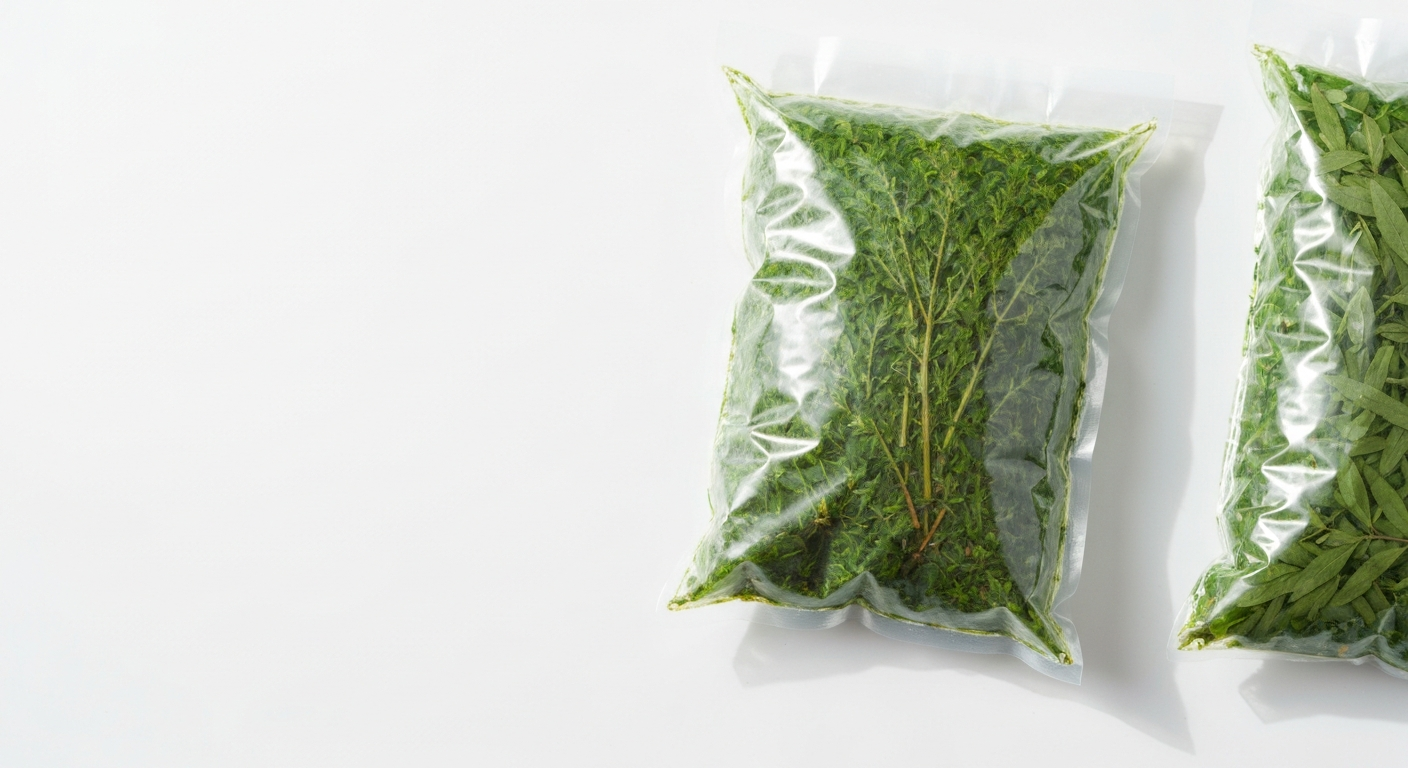
- Airtight container (mason jar or vacuum-sealed bag), cool dark location: 12-24 months
- Vacuum-sealed and frozen: 2-3 years with minimal alkaloid degradation
The drop-off is gradual. You will not notice a huge difference after two months of normal storage, but after a year sitting in an open bag in a bright kitchen, you will absolutely feel the difference. Your old Red Bali that used to hit reliably will start feeling like a very mild green vein.
Signs Your Kratom Has Gone Bad (or at Least Gone Weak)
Even without a date stamp, kratom tells you when it is past its prime. Here is what to look for:
- Clumping and moisture: If your powder has lumped together, moisture has gotten in. This is a problem, not just for potency but for potential mold. Do not use kratom that smells musty or earthy in an unusual way.
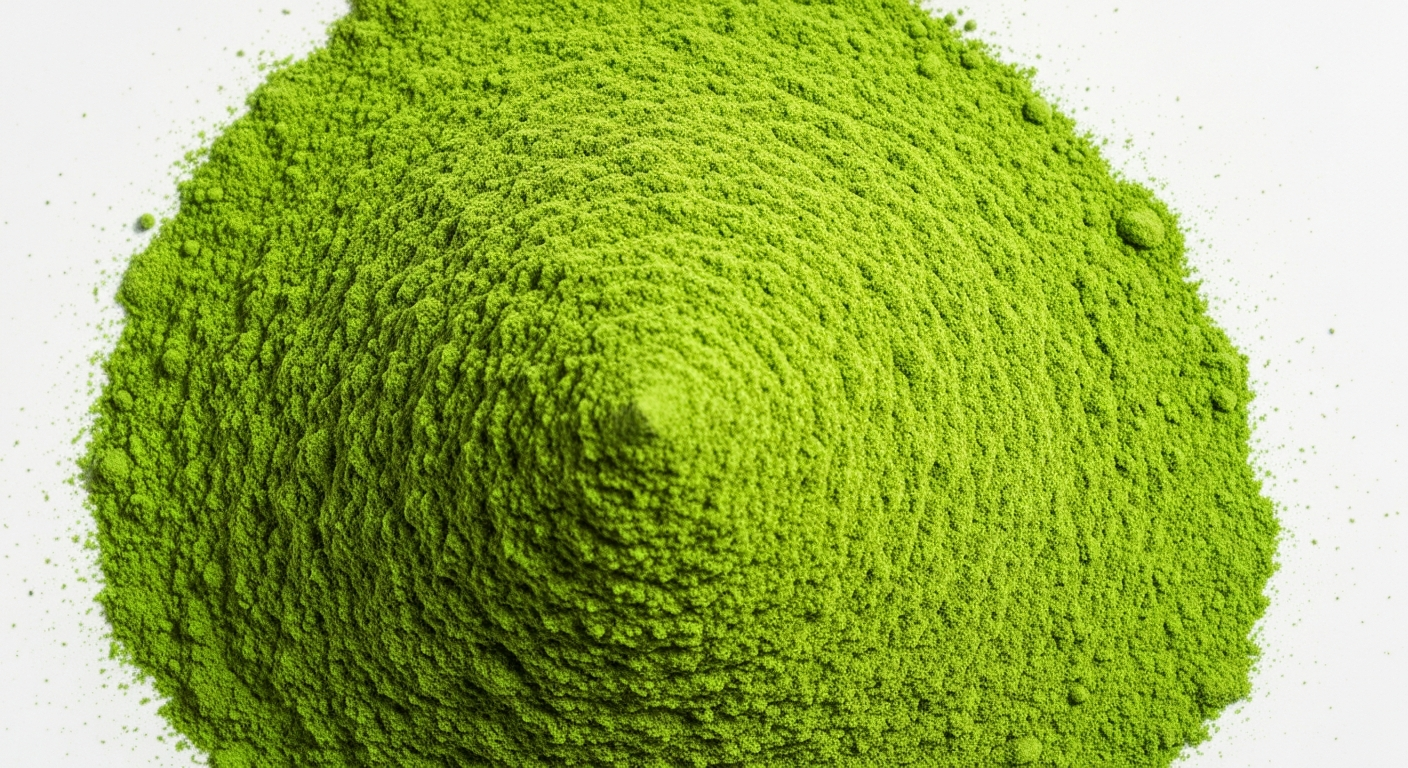
- Color change: Fresh kratom powder has a consistent green or brown-green color depending on the strain and vein type. Old or poorly stored kratom often looks lighter, more yellowish or faded.
- Smell: Fresh kratom has a characteristic earthy, slightly grassy scent. If yours smells off, musty, or has no smell at all, the alkaloids have degraded significantly.
- Weak effects at your normal dose: If you are having to take 30-50% more to get the same effects you used to get, the alkaloid content has likely degraded rather than your tolerance going up. Try a fresh batch and compare.
- Mold: If you see any visible mold or discoloration, discard the entire batch. Do NOT use moldy kratom. This is one case where it genuinely has “gone bad” in a way that matters for your health.
What Actually Degrades Kratom Alkaloids?
Understanding the three enemies of kratom potency makes storage decisions obvious:
1. Oxygen (oxidation) – mitragynine oxidizes when exposed to air, converting into less active compounds. This is the most common cause of potency loss. Every time you open your bag and expose the powder to air, you are starting the clock.
2. UV light – direct sunlight and bright artificial light degrades alkaloids rapidly. Do not store kratom on a bright windowsill or countertop. A dark cabinet, drawer, or pantry is significantly better.
3. Moisture and humidity – water promotes both alkaloid degradation and mold growth. Kitchens and bathrooms are the worst places to store kratom. Humidity from cooking steam or shower moisture shortens kratom’s shelf life substantially.
The Best Way to Store Kratom Long-Term
Here is the storage setup our team uses for bulk purchases:
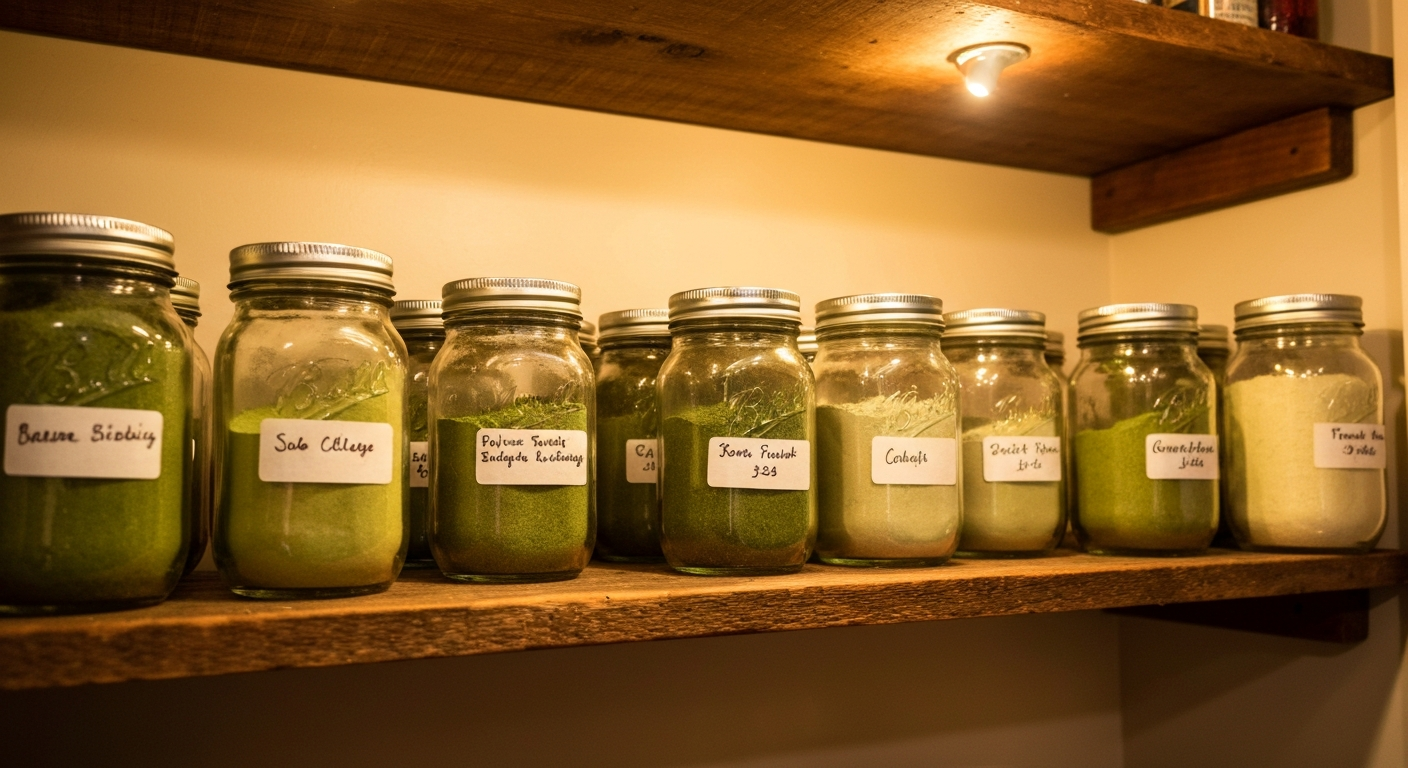
- Container: Glass mason jars with tight-sealing lids, or food-grade vacuum-seal bags. Avoid thin plastic bags that allow oxygen permeation.
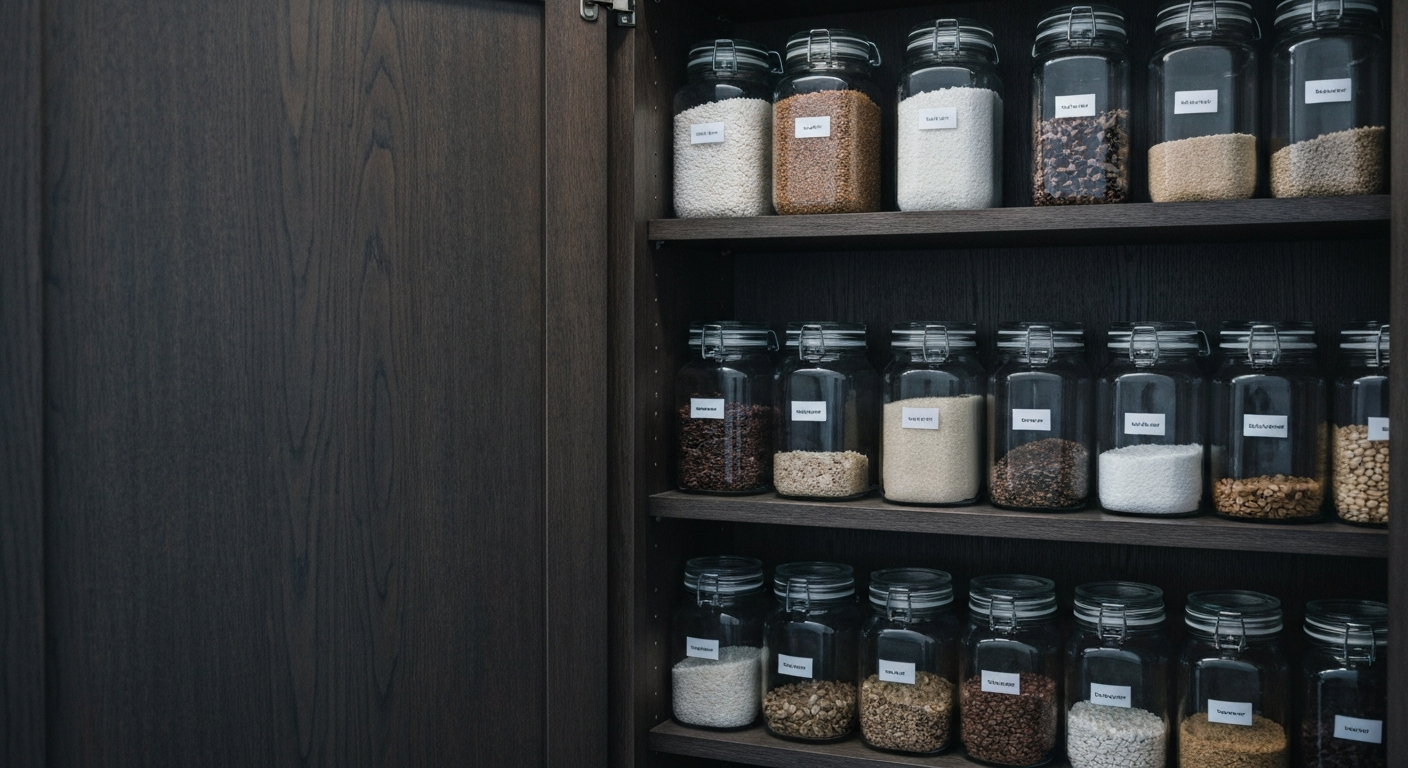
- Location: A cool, dark cabinet, cupboard, or pantry. Basement storage works well if it is not humid. Avoid kitchens and bathrooms.
- Temperature: Room temperature is fine for 6-12 months. For longer storage, a freezer works well. Just make sure the container is fully airtight to prevent moisture from condensation when you take it out.
- Portioning: If you buy in bulk, split your supply into multiple smaller jars. Open one at a time and keep the rest sealed. Each time you open a jar, you expose everything in it to oxygen.
If you are buying from a quality vendor like the ones we review here, the kratom usually arrives in vacuum-sealed packaging or thick resealable bags. Respect that packaging, it is doing a real job.
Start With Fresh Kratom Every Time
Old kratom is one of the most common reasons people think kratom “stopped working.” Kats Botanicals ships fresh, fine-ground powder in vacuum-sealed bags. Their 4.9/5 team rating is based on consistent potency batch after batch.
FTC Disclosure: We may earn a commission from purchases made through this link, at no extra cost to you.
Can You Freeze Kratom?
Yes, and it works really well for long-term storage. Freezing slows alkaloid degradation significantly. The main risk is moisture from condensation when you pull the container out of the freezer. Let frozen kratom return to room temperature before opening the container, so condensation forms on the outside of the jar rather than inside with the powder.
Frozen kratom stored properly can last 2-3 years without meaningful potency loss. This is useful if you buy in bulk or stock up ahead of potential legal changes in your area.
Does kratom go bad after opening?
Not immediately, but the clock starts once the bag is opened. Oxygen exposure begins degrading alkaloids from that point on. Transfer opened kratom to an airtight jar immediately rather than leaving it in the original bag with air folded in. With proper airtight storage, opened kratom can stay potent for 12+ months.
How do I know if kratom has lost potency vs. my tolerance going up?
A useful test: buy a small fresh batch of the same strain from a trusted vendor and compare side by side at the same dose. If the fresh batch is noticeably stronger, your old supply has degraded. If they feel similar, your tolerance has increased. Taking a 2-3 day break before the comparison test gives you a cleaner read on both.
Can you get sick from old kratom?
Old kratom that has simply lost potency will not make you sick, it just will not do much. The exception is moldy kratom, which can cause nausea, headaches, or respiratory irritation. If your kratom has clumped badly, smells musty, or shows any visible mold spots, throw it out. Do not try to pick around the affected parts.
Does kratom capsule shelf life differ from powder?
Slightly. Capsules add an extra layer of protection around the powder, limiting direct air exposure per dose. However, the gelatin capsule itself can absorb moisture over time. Overall shelf life is similar to powder stored in a decent container, around 12-18 months with reasonable storage conditions.
Is it worth buying kratom in bulk if it might lose potency?
Yes, with proper storage. Buying in bulk usually saves 20-40% per ounce. If you use proper airtight storage (mason jars, vacuum-sealed bags, a cool dark location), your kratom will stay effective for 12-24 months, easily long enough to work through a bulk purchase. The cost savings are real and the potency loss is minimal if you store it right.
What is the best container to store kratom in?
Glass mason jars are our favorite, they are airtight, non-reactive, and inexpensive. Food-grade vacuum-seal bags are even better for long-term storage since they actively remove oxygen. Avoid thin plastic bags (they allow oxygen to pass through over time) and metal containers without a seal. Dark glass is better than clear glass if your storage area has any light exposure.
Does heat damage kratom?
Prolonged heat exposure does degrade alkaloids. A car trunk in summer, a hot garage, or storage near an oven are all bad choices. Room temperature (65-75°F) is ideal. This is also why boiling kratom in water damages the alkaloids; always brew kratom tea below boiling point. Check our kratom resources for preparation guides and best practices.
Kratom (Mitragyna Speciosa) is a botanical supplement. The statements on this page have not been evaluated by the Food and Drug Administration. This content is for educational purposes only and is not intended to diagnose, treat, cure, or prevent any disease or medical condition.
Kratom is federally legal in the United States but is banned in certain states and localities. Always check your local laws before purchasing or consuming kratom. If you are pregnant, nursing, taking prescription medications, or have a medical condition, consult a licensed healthcare provider before use.
KratomPlants.com does not sell kratom products. Some links on this page are affiliate links, we may earn a commission if you make a purchase, at no additional cost to you.