Ashwagandha vs Kratom: Which Is Better for You?
Both kratom and ashwagandha have made serious inroads in the natural wellness world, and people often find themselves researching both at the same time. The question we hear a lot is: can I use ashwagandha instead of kratom, or should I use them together?
We have used both extensively on the Kratom Plants team, and the honest answer is that these two botanicals are not really competing with each other. They just happen to attract the same audience. Here is a full comparison so you can figure out what actually fits your situation.
What Is Ashwagandha?
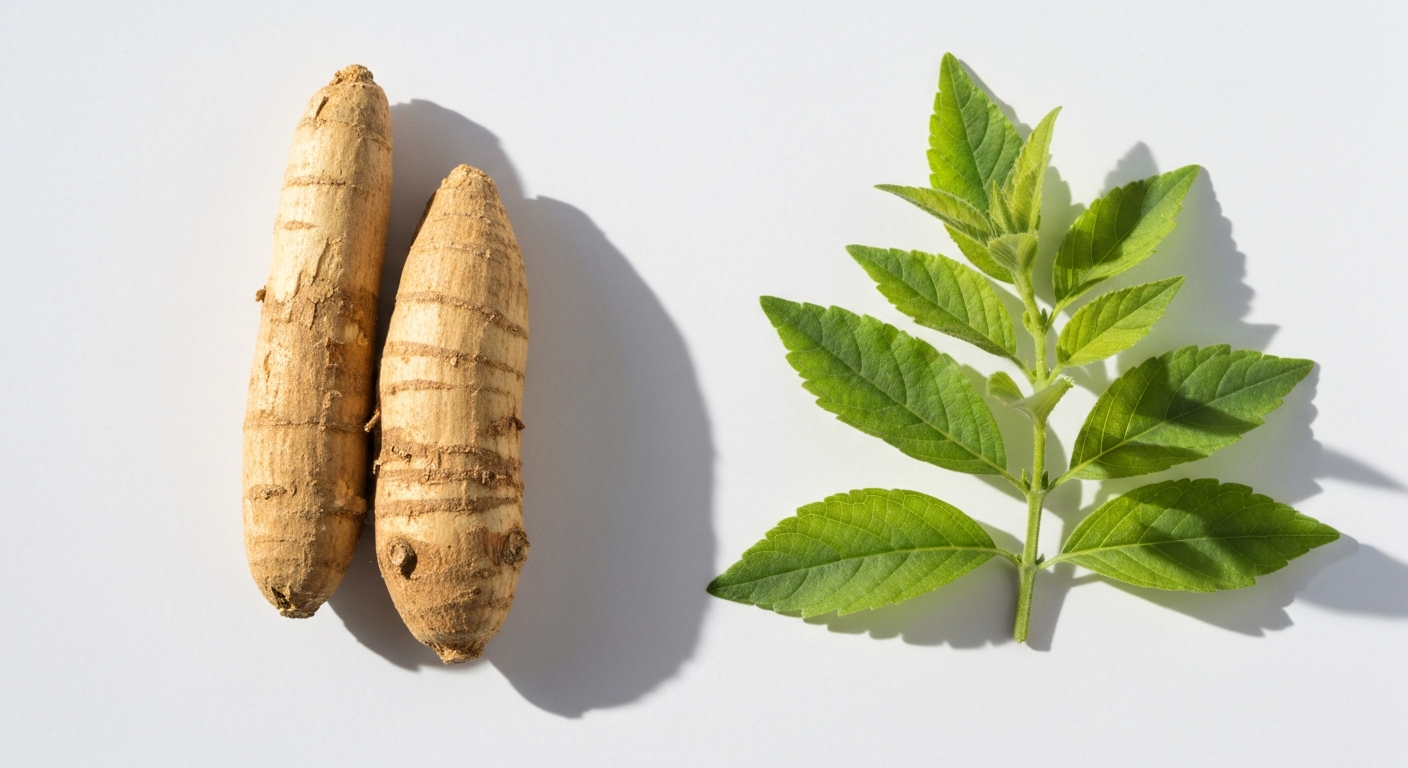
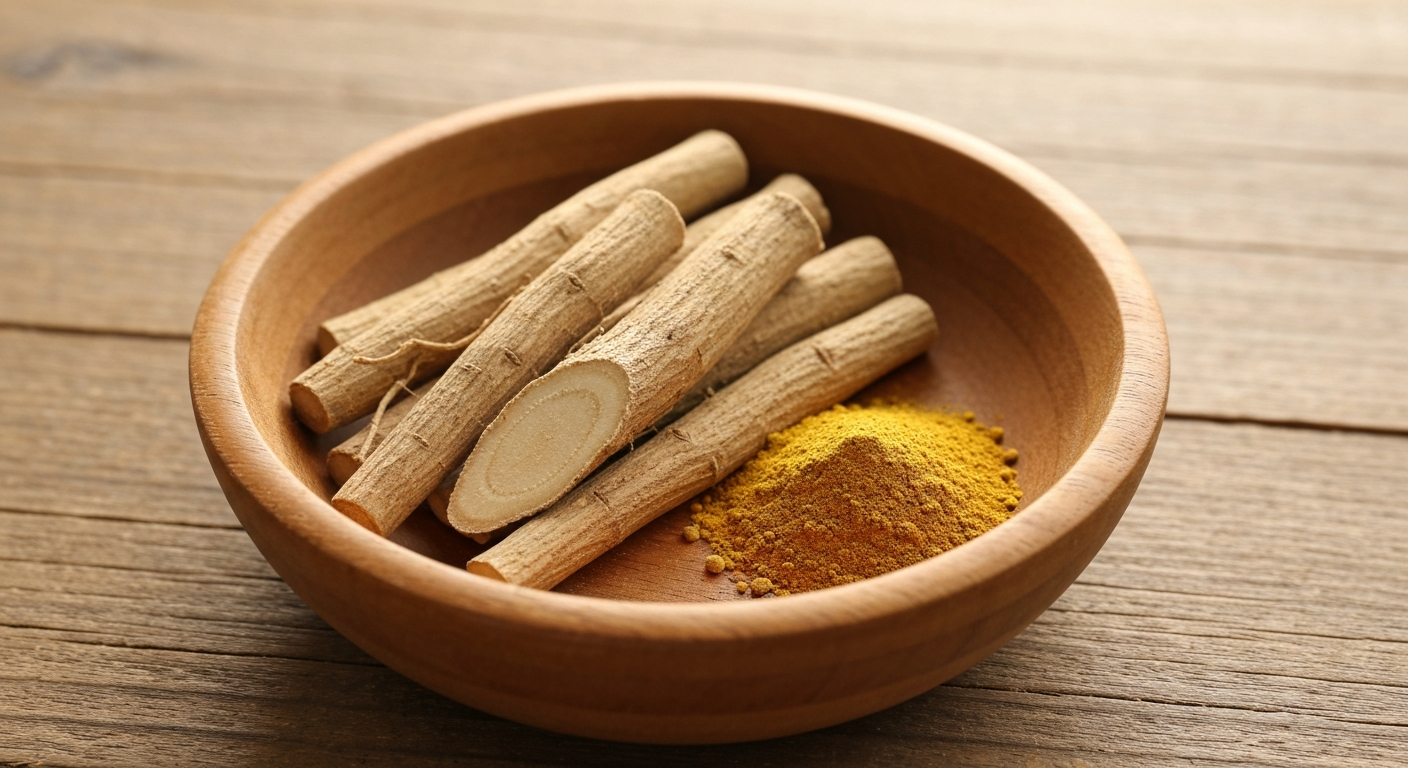
Ashwagandha (Withania somnifera) is an Ayurvedic adaptogenic herb that has been used in Indian traditional medicine for over 3,000 years. The active compounds are called withanolides, and they work primarily through the HPA axis, the system that regulates cortisol and your body’s stress response.
Unlike kratom, ashwagandha does not produce noticeable acute effects. You do not feel it kick in 30-45 minutes after taking it. It works cumulatively over weeks of consistent use, gradually reducing cortisol levels, supporting thyroid function, and improving stress resilience. Think of it as a slow, steady background support rather than something you take for a specific moment.
(Affiliate link, we may earn a commission.)
What Is Kratom?
Kratom (Mitragyna Speciosa) is a tropical botanical from Southeast Asia with a very different mechanism. Its primary alkaloids, mitragynine and 7-hydroxymitragynine, interact with opioid receptors, adrenergic receptors, and serotonin receptors. The effects are strain-dependent and dose-dependent, ranging from stimulating and energizing at low doses to sedating and analgesic at higher doses.
Unlike ashwagandha, kratom’s effects are acute and session-specific. You feel the effects within 20-45 minutes of dosing, and they last 3-6 hours depending on the strain and your tolerance. It is much more versatile across conditions, but it also requires more active management of dose, strain choice, and tolerance. Check our full kratom strains guide for the strain-by-strain breakdown.
Head-to-Head: Ashwagandha vs Kratom
| Category | Ashwagandha | Kratom |
|---|---|---|
| Onset | 2-4 weeks of daily use | 20-45 minutes per dose |
| Effects duration | Ongoing (builds over weeks) | 3-6 hours per session |
| Best for | Chronic stress, cortisol, hormonal balance, sleep quality (long-term) | Acute pain, energy, mood lift, anxiety (session-specific) |
| Strain variation | Minimal, root extract is fairly uniform | High, red, white, green veins have very different effect profiles |
| Tolerance risk | Low | Moderate with daily use, requires cycling |
| Legal status (US) | Legal everywhere | Federally legal; banned in 6 states |
| Drug test risk | None | Does NOT appear on standard 5-panel tests |
Which Is Better for Anxiety?
This is the most common use case where people compare the two. Our honest take: for background, low-level chronic anxiety, ashwagandha is excellent and lower-maintenance. It gradually lowers baseline cortisol levels and many people notice a meaningful shift in how they handle daily stress after 4-6 weeks of consistent use.
For acute anxiety such as a stressful day, social anxiety, or situation-specific anxiety, kratom is more immediately effective. A moderate dose of Red Bali or Green Malaysian tends to take the edge off noticeably within the hour. That said, it requires more attention to dose management than just swallowing an ashwagandha capsule daily.
Some of our team members use ashwagandha as a daily background supplement and reach for a specific kratom strain on particularly high-stress occasions. That combination seems to work well for several people, though we always say: start with one at a time so you understand the effect of each before stacking them.
Which Is Better for Energy?
Kratom wins this one, and it is not close. Ashwagandha does not give you an acute energy boost, it supports better baseline energy over time by improving sleep quality and reducing fatigue associated with chronic stress. But if you want something to help you power through a demanding day right now, ashwagandha will not do that for you.
White and green vein kratom strains, on the other hand, produce clean, focused energy within the hour. White Maeng Da and White Vein Thai are the most popular choices for energy. They feel different from caffeine, less jittery, longer-lasting, with a mood lift component that coffee does not deliver.
Can You Take Ashwagandha and Kratom Together?
Yes, many people do. They have different mechanisms, so they are not likely to cancel each other out. That said, both can have a sedating component at higher doses. Ashwagandha can promote relaxation, and red vein kratom is sedating. Combining them at higher doses could increase sedation more than you expect.
Our recommendation: if you want to try the combination, start with your usual kratom dose alongside a standard ashwagandha dose (usually 300-600mg of root extract daily), and see how you respond before increasing either. Our kratom resources page has guidance on safe dosing and strain selection for different goals.
Find the Right Kratom for Your Needs
If you are looking for a reliable kratom source while you figure out what works best for your situation, Kats Botanicals is where our team starts. Their strain selection covers everything from stimulating whites to deeply calming reds.
FTC Disclosure: We may earn a commission from purchases made through this link, at no extra cost to you.
The Bottom Line
Ashwagandha and kratom are not competitors. They serve different purposes, operate on different timescales, and are not really doing the same thing in your body. If your goal is long-term stress resilience, hormonal balance, and improved sleep quality, ashwagandha is a solid daily supplement with a strong safety track record. If your goal is something more specific and immediate (pain relief, a focused energy boost, or acute anxiety support), kratom’s strain system gives you far more precision.
Many people in the kratom community use ashwagandha as a background supplement and kratom more selectively. That is a reasonable approach. The key is starting one at a time, understanding your response to each, and not expecting kratom to do ashwagandha’s job or vice versa.
Is ashwagandha safer than kratom?
Ashwagandha has a longer documented safety record and is universally legal with no scheduling concerns. Kratom’s safety profile is more complex, dose-dependent, strain-dependent, and with tolerance considerations for regular users. Both are botanicals, not pharmaceuticals, and both have real effects. Neither is risk-free at high doses.
Can I replace kratom with ashwagandha for opioid withdrawal?
No. Ashwagandha does not interact with opioid receptors and will not address the physical symptoms of opioid withdrawal. Kratom’s alkaloids interact with those same receptors and have been widely used in harm reduction contexts for this reason. They are fundamentally different tools for this specific situation. See our kratom guide for more on kratom and opioid recovery contexts.
Does ashwagandha potentiate kratom?
Some users report that the relaxation and cortisol-lowering effects of ashwagandha complement kratom’s sedating strains. There is no direct evidence that ashwagandha increases kratom’s alkaloid activity, but the combined relaxation effect can feel more pronounced than either alone. This is worth accounting for when dosing both together for the first time.
How long does ashwagandha take to work?
Most people notice meaningful changes in stress levels, sleep quality, and energy after 2-4 weeks of daily use. Some people feel subtle changes in the first week. Unlike kratom, you will not feel an acute shift 30 minutes after your first dose, ashwagandha is a long-game supplement.
Which is better for sleep, ashwagandha or kratom?
Both can support better sleep, but differently. Ashwagandha improves sleep quality over weeks by reducing cortisol. Red vein kratom (especially Red Bali or Bentuangie) produces more immediate sedation and relaxation that can help with sleep onset on a given night. For long-term sleep support, ashwagandha is lower-maintenance. For a specific difficult night, a red vein strain is more immediately useful.
Does ashwagandha affect kratom tolerance?
There is no good evidence that ashwagandha directly reduces kratom tolerance. Kratom tolerance is managed primarily through dose management, rotating strains, taking regular breaks, and avoiding daily high-dose use. Ashwagandha does not appear to reset or meaningfully affect kratom’s receptor activity.
Kratom (Mitragyna Speciosa) is a botanical supplement. The statements on this page have not been evaluated by the Food and Drug Administration. This content is for educational purposes only and is not intended to diagnose, treat, cure, or prevent any disease or medical condition.
Kratom is federally legal in the United States but is banned in certain states and localities. Always check your local laws before purchasing or consuming kratom. If you are pregnant, nursing, taking prescription medications, or have a medical condition, consult a licensed healthcare provider before use.
KratomPlants.com does not sell kratom products. Some links on this page are affiliate links, we may earn a commission if you make a purchase, at no additional cost to you.